At Enviro Mushroom, we believe that how we grow matters just as much as what we grow. That’s why we’ve designed every step of our farming process to be clean, sustainable, and forward-looking—ensuring we deliver the freshest certified organic specialty mushrooms while protecting the planet for future generations.
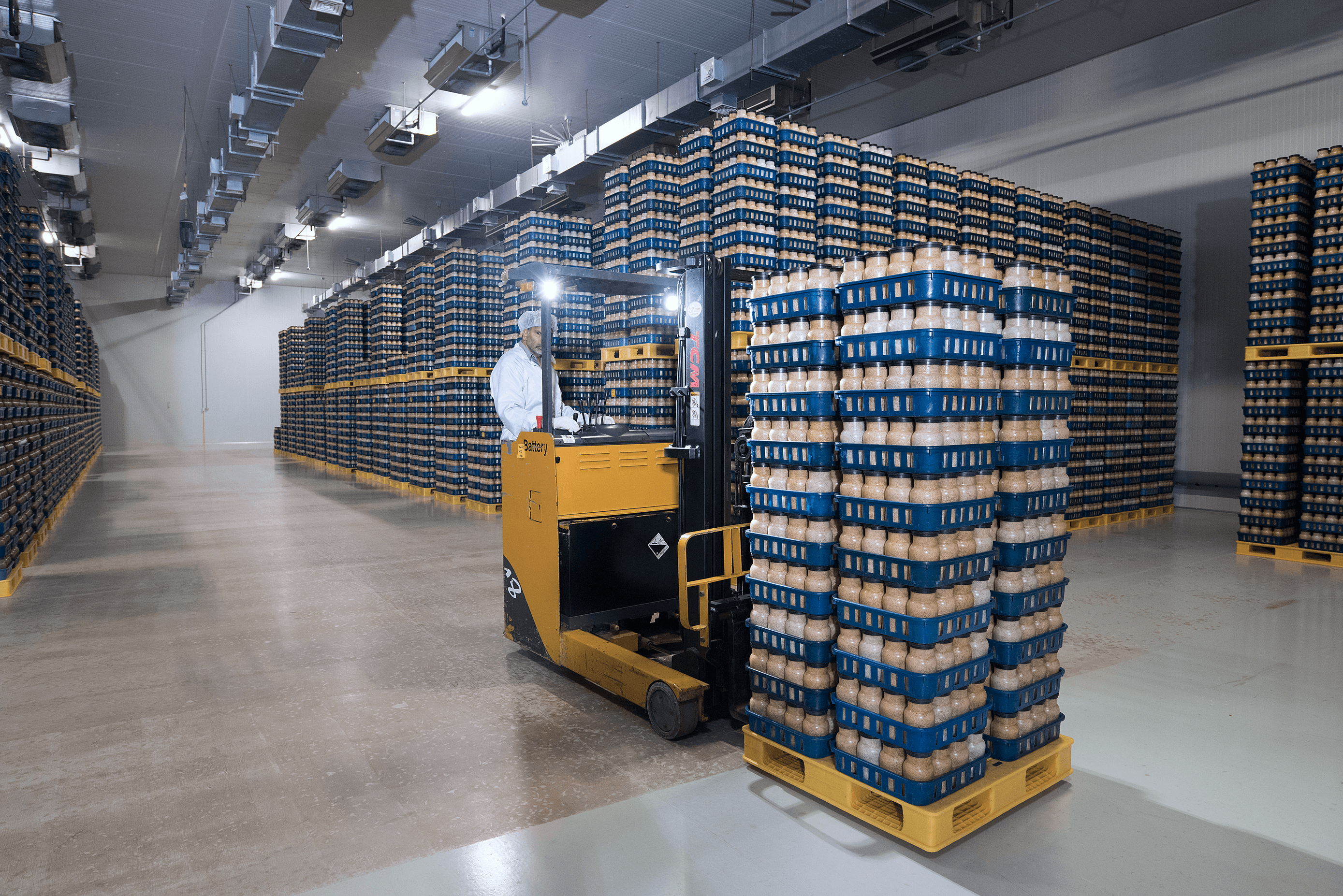
Our farm is a 200,000-square-foot, computer-controlled facility located in Burlington, Ontario. With advanced environmental controls and strict hygiene protocols, we currently produce over 3.5 million pounds of certified organic specialty mushrooms each year—including King Oyster, Enoki, and Black Oyster mushrooms.
Unlike conventional mushroom farming methods that rely on compost or manure, Enviro takes a cleaner, more sustainable path. We cultivate our mushrooms in sterilized organic culture media, made from sawdust, agricultural brans, and natural minerals—completely free from chemical residues or animal waste.
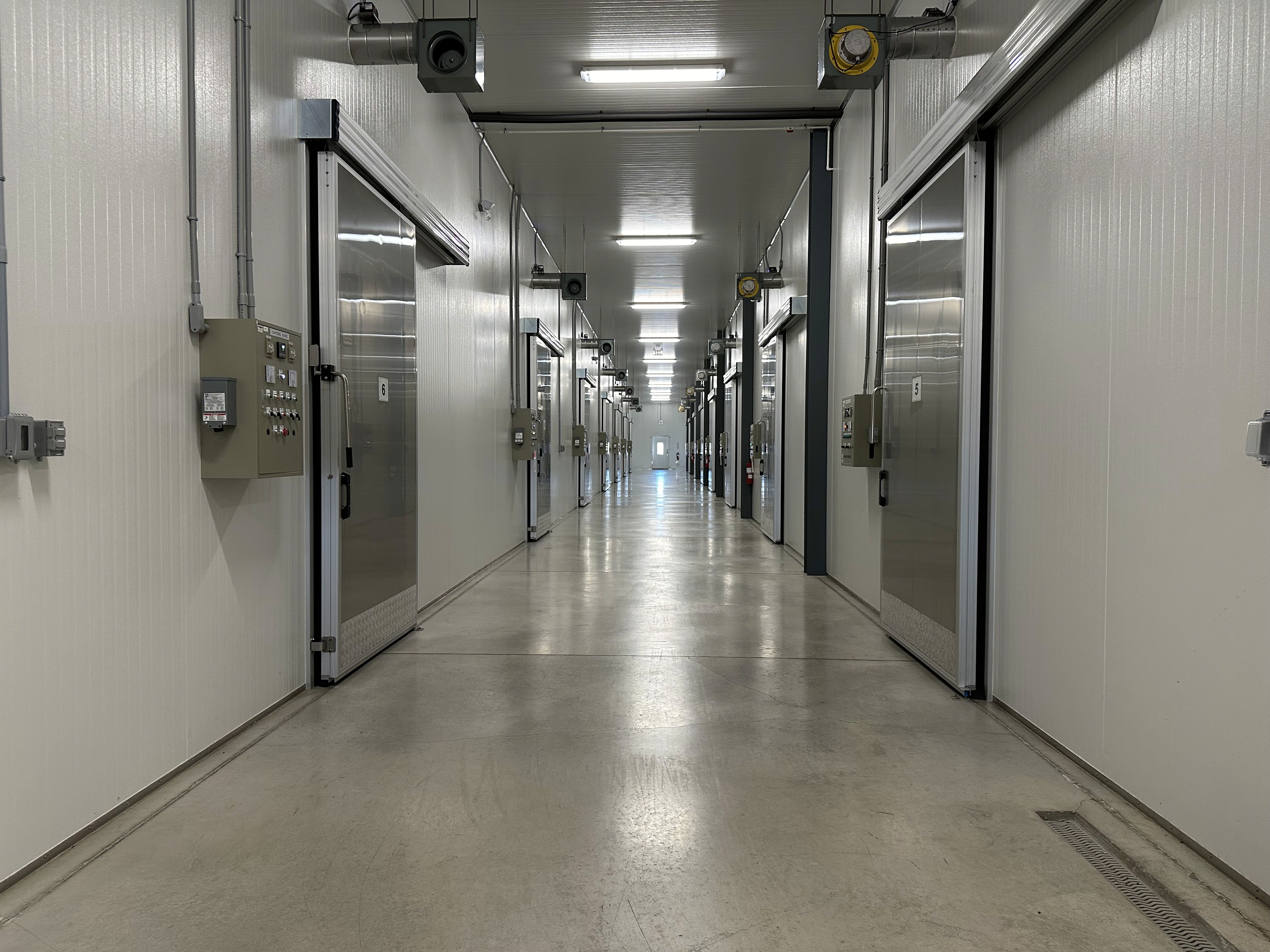
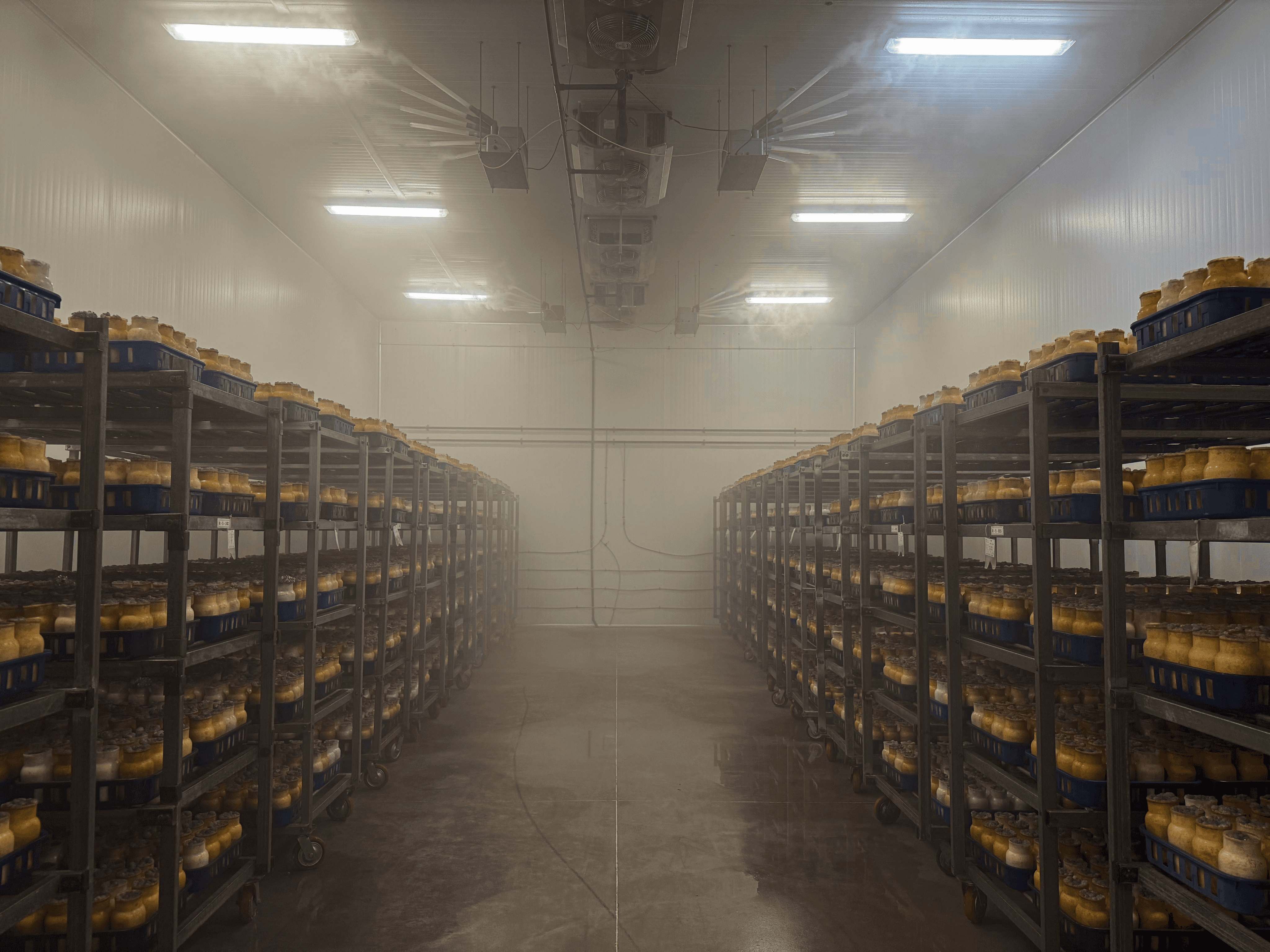
We use HEPA-filtered air and purified water exclusively
We apply advanced sterilization methods, including autoclaves and UV light, to prevent contamination
Our entire facility is operated under a fully hygienic and climate-controlled system, optimized for mushroom health and food safety
Our farming methods are not only clean—they're also designed for resilience.
In a world facing climate uncertainty, food security risks, and global supply chain disruptions, our controlled-environment agriculture model allows us to:
We minimize water and energy waste through precision-controlled farming systems.
Our indoor facilities protect crops year-round from unpredictable weather and seasonal extremes.
We deliver consistently safe, flavorful, and high-quality mushrooms—every harvest, every time.
We’re proud to be pushing the boundaries of sustainable agriculture while staying rooted in our core values: freshness, integrity, and innovation.
We are proudly SQF-certified (Safe Quality Food)—an internationally recognized standard that ensures our operations meet the highest benchmarks for food safety, traceability, and quality management.Our practices are also aligned with HACCP-based food safety systems and Good Agricultural Practices (GAP), offering full transparency from farm to table.